Treatments & Procedures by Dr. Chaitanya
We offer a comprehensive range of advanced cardiac procedures in Vizag (Visakhapatnam) at MGM Seven Hills Hospital, combining AIIMS-trained surgical precision with state-of-the-art technology.
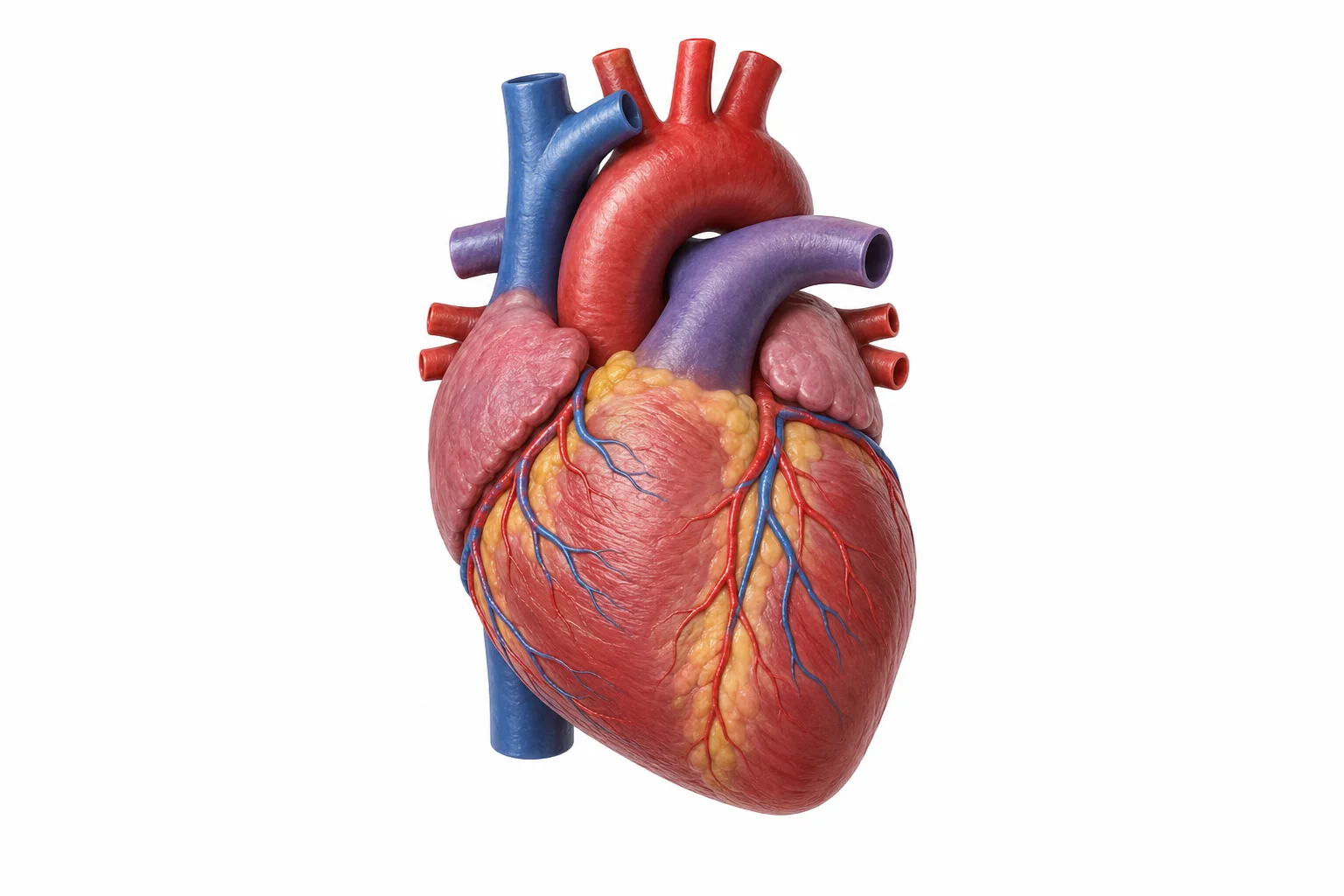
Coronary Care Consultation
Personalized evaluation for bypass and coronary revascularization by Dr. Chaitanya at MGM Seven Hills Hospital, Vizag (Visakhapatnam).
Book Consultation1. Coronary Artery Disease
Coronary Artery Bypass Grafting (CABG)
Comprehensive surgical revascularization creating alternative blood pathways to restore essential blood supply to ischemic heart muscle.
Healthy blood vessel conduits (such as the internal mammary artery, radial artery, or saphenous vein) are precisely grafted beyond the coronary blockages, channeling oxygen-rich blood directly to downstream myocardium.
Surgical planning incorporates advanced techniques including Endoscopic Vein Harvesting (EVH), multi-arterial revascularization, beating-heart (OPCAB) methods, and minimally invasive access where appropriate.
Advanced Integrated CABG Modalities:
- Endoscopic Vein Harvesting (EVH): Camera-assisted minimally invasive vein retrieval through tiny leg incisions.
- Total Arterial Revascularization: Multi-arterial grafting (LIMA, RIMA, Radial Artery) for long-term patency.
- Off-Pump CABG (OPCAB): Beating-heart bypass surgery avoiding the heart-lung machine.
- MIDCAB: Sternal-sparing bypass via a small left mini-thoracotomy incision.
Endoscopic Vein Harvesting (EVH)
Camera-assisted minimally invasive vein retrieval through small leg incisions, reducing wound size and promoting faster recovery.
Traditional vein harvesting requires continuous long incisions along the entire leg or thigh, which can cause significant wound pain, swelling, and delayed walking. EVH was engineered to avoid these extensive incisions.
Through a single ~1 cm micro-incision near the knee, an illuminated high-definition endoscopic camera and specialized harvesting tool are guided along the saphenous vein tract to retrieve high-quality graft tissue safely.
- Significantly lower incidence of leg wound complications and infection
- Minimal post-operative leg discomfort and swelling
- Discreet cosmetic outcome with minimal scarring
- Earlier mobilization and physical independence post-surgery
Total Arterial Revascularization
Multi-arterial bypass using LIMA, RIMA and Radial Artery grafts, offering excellent long-term graft patency in appropriately selected patients.
Utilizes exclusively arterial conduits:
- LIMA: Left Internal Mammary Artery (gold-standard bypass conduit)
- RIMA: Right Internal Mammary Artery
- Radial Artery: Precision-harvested forearm arterial conduit
Off-Pump Coronary Artery Bypass (OPCAB)
Beating-heart coronary bypass surgery performed without the use of the cardiopulmonary bypass machine.
Minimally Invasive Direct CABG (MIDCAB)
Coronary bypass through a left mini-thoracotomy, avoiding median sternotomy and preserving the breastbone.
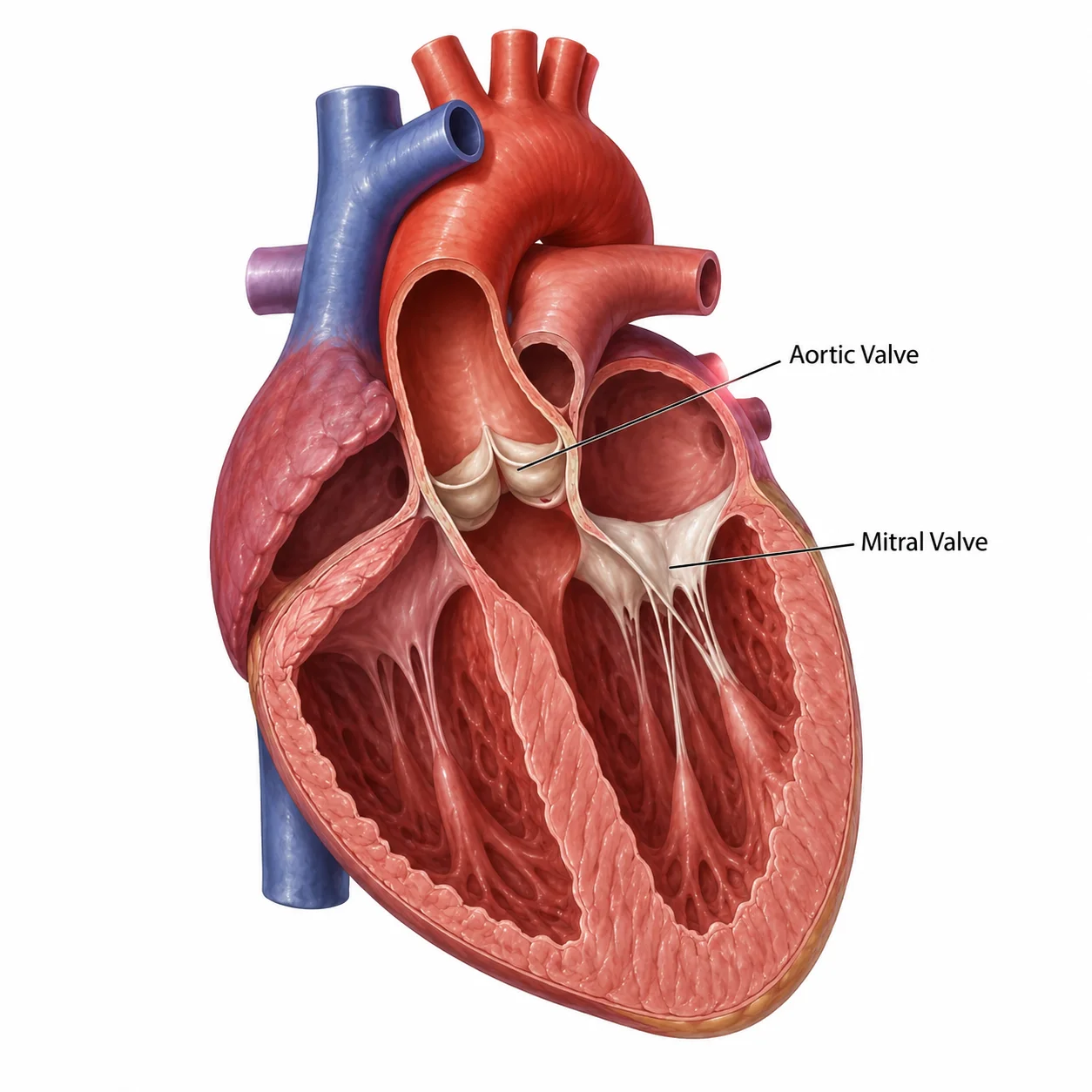
Heart Valve Specialist Care
Expert valve reconstruction and prosthetic replacement tailored to restore optimal heart hemodynamics.
Book Consultation2. Heart Valve Disorders
Heart Valve Repair
Advanced valve reconstruction using annuloplasty rings, artificial Gore-Tex neochords, leaflet repair and other techniques to preserve the patient’s native valve whenever feasible.
Precision Valve Repair Arsenal:
- Annuloplasty Rings: Reshaping and stabilizing the dilated native valve ring.
- Gore-Tex Neochords: Replacing ruptured or elongated native chordae tendineae.
- Leaflet Reconstruction: Triangular/quadrangular resection, patch augmentation, and cleft closure.
- Commissurotomy: Freeing fused leaflets to restore natural mobility.
Heart Valve Replacement
Mechanical or biological valve replacement for severe aortic and mitral stenosis or regurgitation, with valve selection individualized to the patient’s age, lifestyle and clinical requirements.
1. Bileaflet Mechanical Prostheses:
Pyrolytic carbon valves engineered for lifetime structural durability. Best for younger patients; requires lifelong oral anticoagulation and INR monitoring.
2. Bioprosthetic / Tissue Valves:
Advanced bovine pericardial or porcine tissue valves providing natural hemodynamics without lifelong blood thinners. Ideal for patients over 60 years or active lifestyles.
Minimally Invasive Valve Surgery (MIVS)
Valve repair or replacement through a right mini-thoracotomy using specialized instruments and high-definition endoscopic visualization.
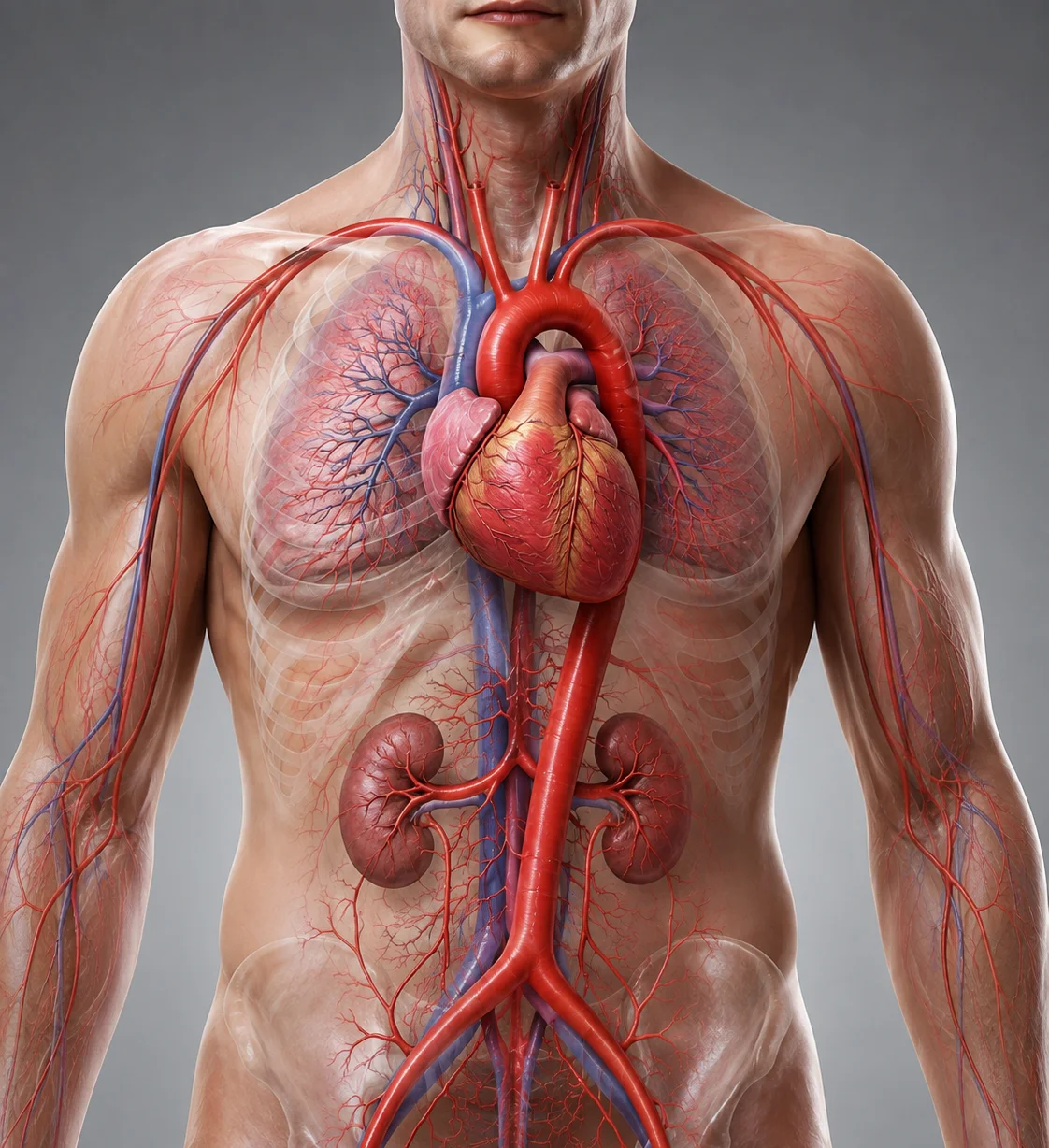
Aortic & Vascular Surgery
Comprehensive surgical and hybrid solutions for complex thoracic aorta, aortic root, and peripheral vascular disease.
Book Consultation3. Aortic & Vascular Surgeries
Aortic Aneurysm Repair
Surgical replacement of diseased segments of the ascending aorta and aortic arch using durable synthetic vascular grafts when indicated.
Aortic Dissection Emergency Surgery (Bentall Procedure, Hemi Arch Replacement , Total arch replacement )
Emergency surgical management of acute Type A aortic dissection, including aortic replacement, circulatory arrest and cerebral protection techniques when required.
Emergency Surgical Strategies:
- Bentall Procedure: Composite graft replacement of the aortic root, ascending aorta, and valve with coronary ostial re-implantation.
- Hemi Arch Replacement: Resection of the distal ascending aorta and proximal aortic arch under hypothermic circulatory arrest.
- Total Arch Replacement: Complete arch reconstruction with individual branch reimplantation using branched grafts and antegrade cerebral perfusion.
Aortic Root & Valve-Sparing Reconstruction (David & Yacoub Procedures)
Complex aortic root reconstruction designed to treat aortic root aneurysms while preserving the patient’s native aortic valve when suitable.
David (Reimplantation) & Yacoub (Remodeling): The diseased aortic root is excised while meticulously sparing the native valve leaflets, suspending them within a tailored Dacron graft and reattaching both coronary buttons.
Peripheral Vascular Surgery
Surgical treatment of peripheral arterial disease, arterial occlusions, aneurysms and other complex vascular conditions affecting the upper and lower limbs.
Traumatic Arterial Injury & Limb Salvage
Emergency arterial repair and reconstruction following traumatic vascular injury, with the goal of restoring circulation and preserving limb viability and function.
Hybrid Vascular Procedures
Combined open surgical and endovascular techniques for complex or multi-level vascular disease, allowing each vascular lesion to be treated with the most appropriate approach.

Minimally Invasive Cardiac Surgery
Advanced small-incision keyhole cardiac procedures for faster recovery, minimal scarring, and sternal preservation.
Book Consultation4. Minimally Invasive Cardiac Surgeries (MICS)
MICS CABG (Keyhole Multi-Vessel Bypass)
Multi-vessel coronary bypass through small chest incisions while avoiding median sternotomy and preserving the breastbone.
Minimally Invasive Valve Surgery
Valve repair or replacement through a small right chest incision using specialized minimally invasive techniques and high-definition visualization.
Minimally Invasive Congenital Heart Surgery
Selected congenital heart defects treated through small chest incisions using minimally invasive techniques, including ASD closure and repair of suitable intracardiac and pulmonary venous anomalies.
Mini-Bentall Procedure (Minimally Invasive Aortic Root Replacement)
Selected aortic root aneurysms and associated aortic valve disease treated through a limited-access approach, combining aortic root replacement with valve replacement while avoiding conventional full sternotomy in appropriately selected patients.
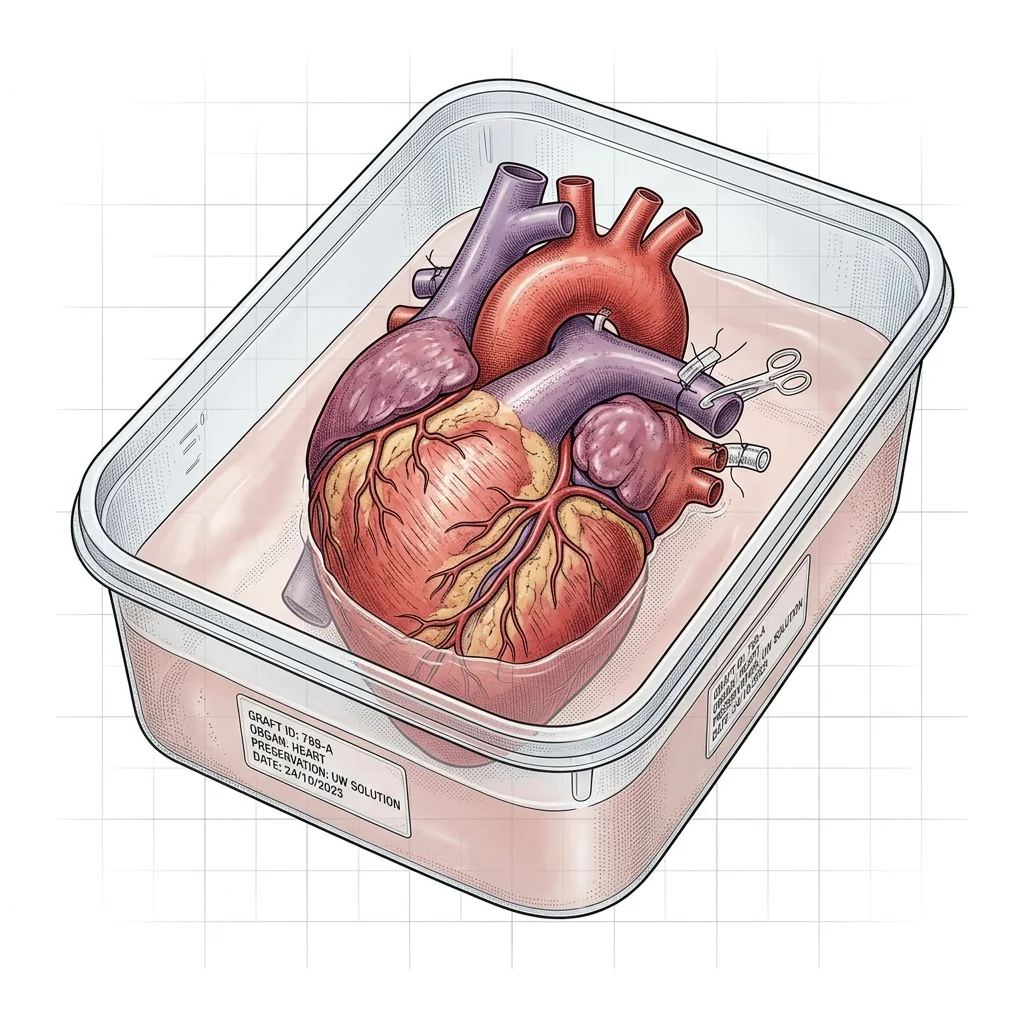
Heart Failure & MCS Care
Comprehensive advanced therapies, LVAD implantation, ECMO life support, and heart transplant surgical support.
Book Consultation5. Advanced Heart Failure & Mechanical Support
Left Ventricular Assist Device (LVAD)
Implantation of a continuous-flow mechanical circulatory support device for appropriately selected patients with advanced heart failure, including Bridge-to-Transplant (BTT) and Destination Therapy (DT).
Surgical implantation of a continuous-flow centrifugal blood pump connected from the apex of the left ventricle to the ascending aorta, powered via a small abdominal driveline.
- Bridge-to-Transplant (BTT): Stabilizing hemodynamics and organ perfusion while on the donor waitlist.
- Destination Therapy (DT): Long-term permanent mechanical therapy for patients ineligible for transplantation.
ECMO & Advanced Mechanical Circulatory Support
Extracorporeal life support for selected patients with severe cardiac, respiratory or combined heart-lung failure when conventional treatment is insufficient. VA-ECMO provides circulatory and respiratory support, while VV-ECMO provides respiratory support in appropriate patients.
- VA-ECMO (Veno-Arterial): Drains deoxygenated venous blood and pumps oxygenated blood into the arterial system, replacing both cardiac pumping and pulmonary gas exchange.
- VV-ECMO (Veno-Venous): Drains venous blood, oxygenates it via an external membrane lung, and returns it to the venous system to support severe isolated lung failure.
Heart Transplantation Surgical Support
Surgical support for evaluation and management of patients with end-stage heart failure requiring heart transplantation, including perioperative mechanical circulatory support when indicated.
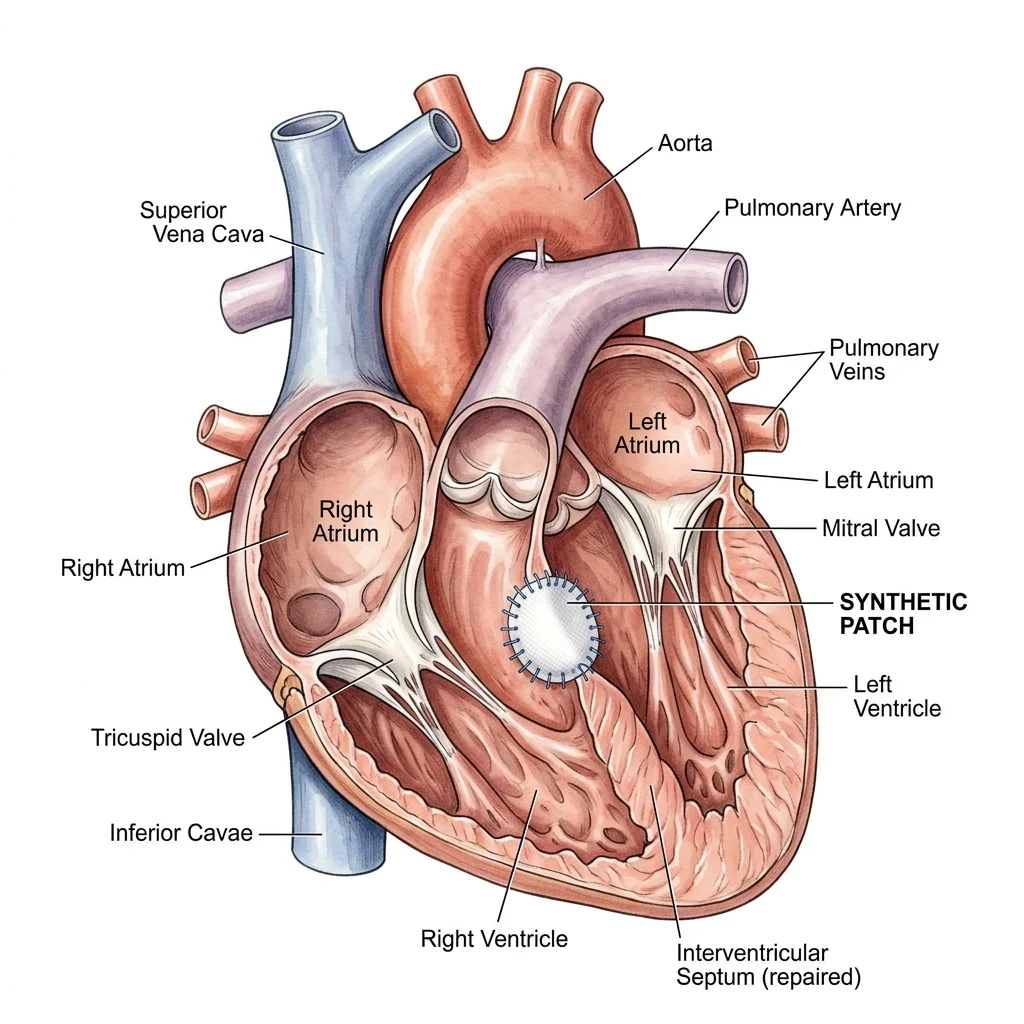
Congenital Defect Repair
Specialized pediatric and adult surgical corrections for simple and complex structural heart defects.
Book Consultation6. Congenital Heart Defect Surgeries
Atrial Septal Defect (ASD) Closure
Surgical closure of suitable atrial septal defects with careful assessment of cardiac anatomy and associated lesions.
Partial Anomalous Pulmonary Venous Connection (PAPVC) Repair
Surgical redirection of anomalous pulmonary venous drainage to the left atrium, with correction of associated atrial septal defects when present.
Total Anomalous Pulmonary Venous Connection (TAPVC) Repair
Definitive surgical correction to establish unobstructed pulmonary venous drainage into the left atrium, with management tailored to the anatomical subtype and clinical condition.
Ventricular Septal Defect (VSD) Closure
Surgical patch closure of suitable ventricular septal defects with careful preservation of the cardiac conduction system and surrounding structures.
Tetralogy of Fallot (TOF) Total Correction
Comprehensive repair addressing the ventricular septal defect, right ventricular outflow obstruction and associated pulmonary valve or pulmonary artery abnormalities according to individual anatomy.
Other Selected Congenital Heart Defects
Surgical management of appropriate congenital cardiac lesions based on individual anatomy, physiology and age, with a tailored approach to each patient.
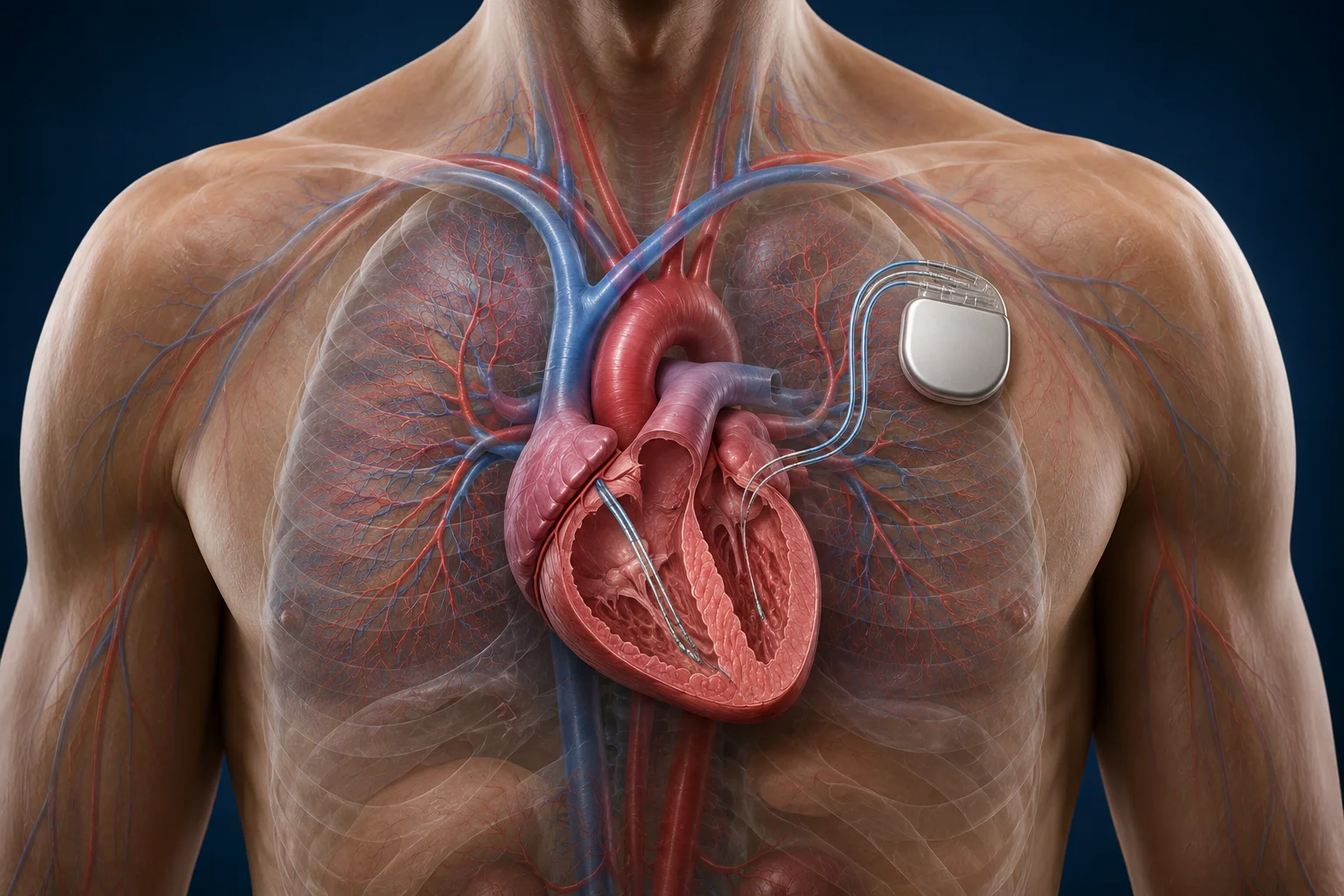
Arrhythmia & Rhythm Care
Surgical Cox-Maze IV ablation, permanent pacemaker lead placement, and synchronized rhythm correction.
Book Consultation7. Arrhythmia & Cardiac Rhythm Surgery
Cox-Maze IV Surgical Ablation
Surgical treatment of atrial fibrillation using bipolar radiofrequency and/or cryoablation techniques, with left atrial appendage management when indicated.
Transmural electrical lesion lines are applied across the atria using bipolar radiofrequency clamps and/or cryoprobes, alongside surgical exclusion or clip occlusion of the Left Atrial Appendage (LAA) to eliminate clot formation.
Epicardial & Permanent Pacemaker Implantation
Surgical epicardial or transvenous pacemaker lead placement for selected patients with complete heart block, symptomatic bradycardia or other rhythm disorders requiring permanent pacing.
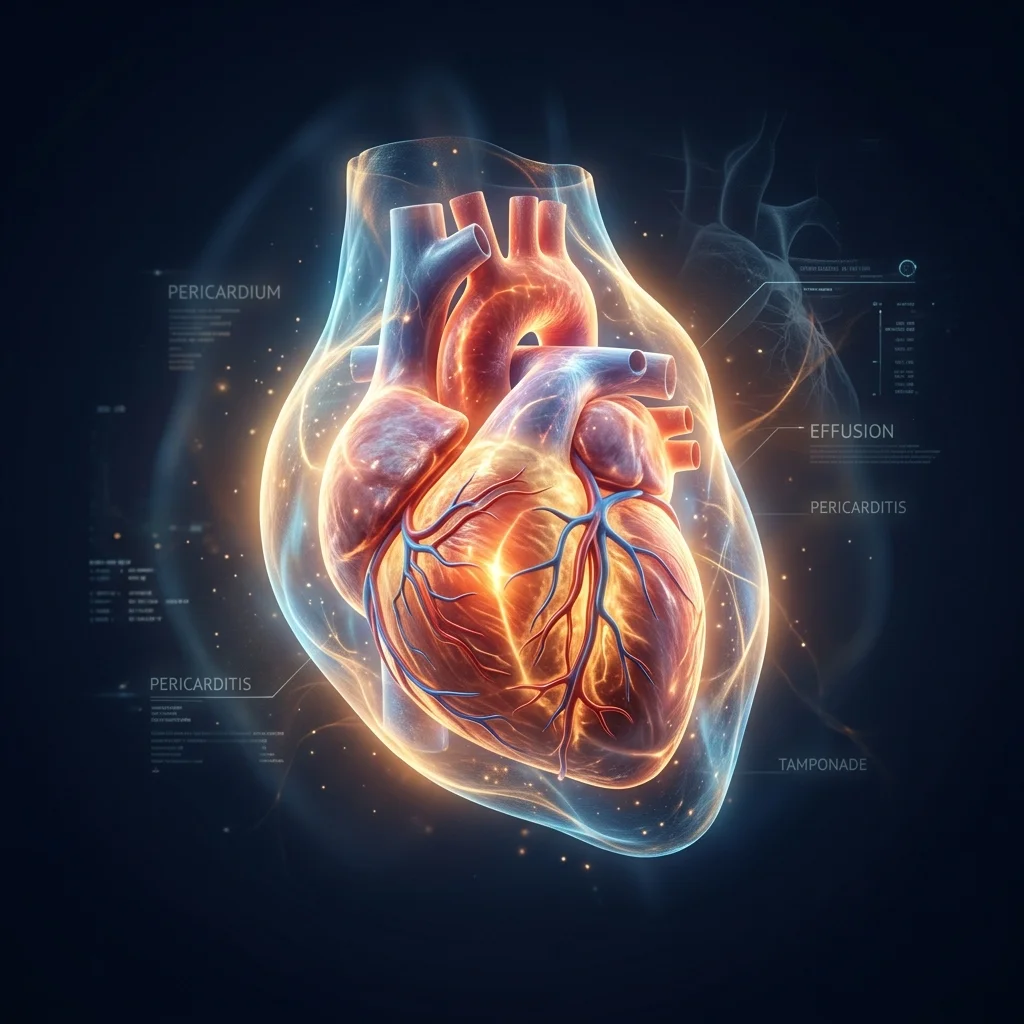
Pericardial Disease Care
Specialized pericardiectomy and surgical subxiphoid drainage to relieve constriction and fluid accumulation.
Book Consultation8. Pericardial Diseases
Pericardiectomy (Pericardial Stripping)
Surgical removal of the diseased and constricting pericardium to relieve impaired cardiac filling in patients with suitable forms of constrictive pericarditis.
Pericardial Window / Subxiphoid Drainage
Surgical drainage and, when required, biopsy of significant or recurrent pericardial effusions to relieve cardiac compression and prevent recurrence.